
Nickel-Cadmium Battery Recycling
Nickel-cadmium batteries have largely been designed out of consumer products, but they're still in service across emergency lighting, rail, aviation, medical and industrial standby systems. Cadmium is a toxic heavy metal, which makes NiCd hazardous waste and puts it firmly outside the general waste stream. At Vantage, we provide compliant nickel-cadmium battery disposal and recycling, handling collection, transport and treatment.
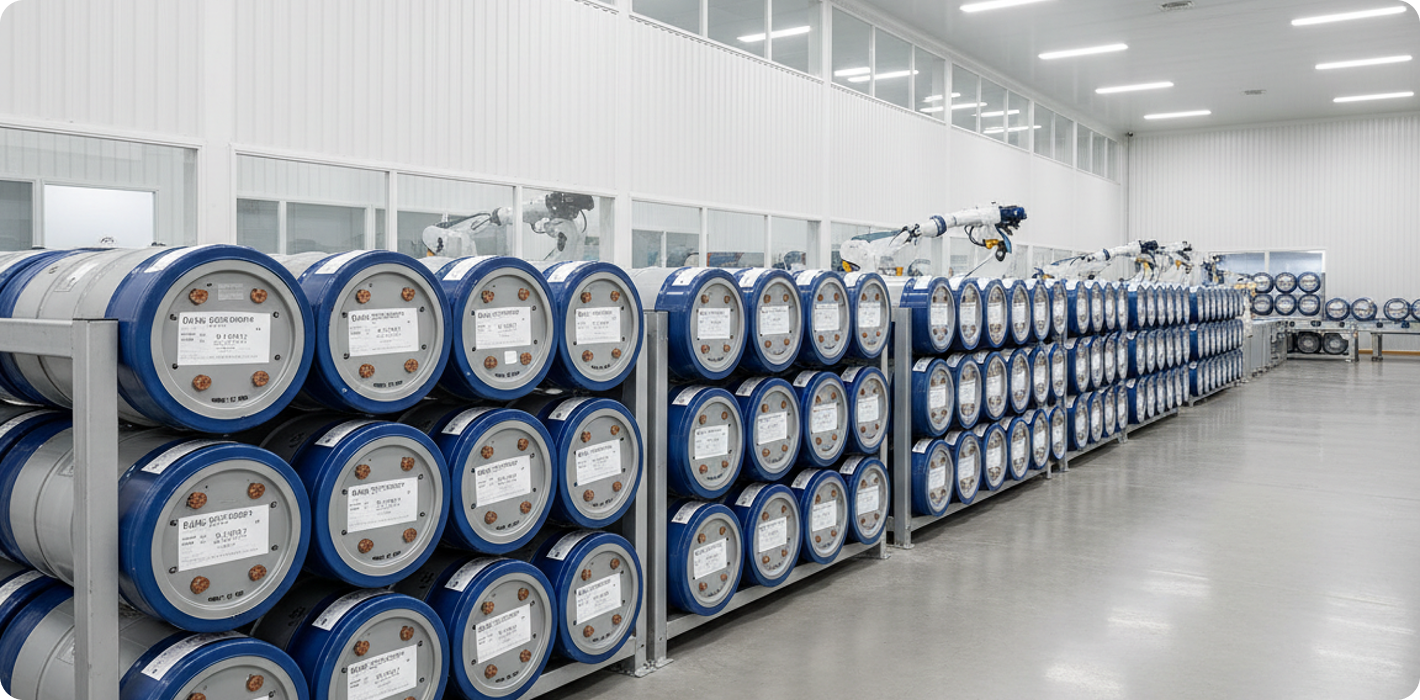
Recycling NiCd batteries the right way
.png)
.png)
Cadmium accumulates in soil and water and doesn't break down, which is why nickel-cadmium batteries are classed as hazardous waste and have been restricted in most consumer applications. The batteries still in circulation tend to be legacy or specialist units, and they need routing to a facility equipped to recover cadmium safely.
We collect and recycle NiCad batteries from emergency lighting systems, industrial standby and telecoms installations, rail and aviation equipment, medical devices, older power tools and legacy consumer stock. We work with facilities teams, contractors, manufacturers, distributors and waste operators.
Whether you're stripping out an old system or clearing legacy stock, we'll help find the right route.
How it works
Tell us what you've got and roughly what volumes, and we'll recommend suitable containers and segregation. NiCd should be kept separate from other chemistries so it can be routed correctly rather than sorted downstream.
Once collected, batteries are transported through approved channels to authorised treatment facilities, where cadmium is recovered under controlled conditions and nickel and steel are returned to the supply chain.
You'll receive full documentation and complete traceability throughout the process.
.png)
Compliance, sorted
.png)
Nickel-cadmium batteries are classified as hazardous waste due to their cadmium content, which brings consignment documentation, storage and duty of care obligations with them. Our team manages the paperwork, transport and recycling process on your behalf, so batteries are handled in line with current environmental regulations and you have a clear audit trail.
Why Choose Vantage?
.png)
.png)
NiCd is a low volume, high obligation waste stream, and plenty of providers would rather not deal with it. We've spent more than 20 years handling specialist waste that others can't or won't take on.
As an Approved Battery Treatment Operator (ABTO) with our own ADR fleet and permitted treatment facility, we can manage nickel-cadmium waste from collection through to final recycling.
Related Services
.png)
Portable Battery Recycling
.png)
Nickel-Metal Hydride Battery
.png)
Industrial Battery Recycling
Frequently Asked Questions
Let's Talk About Your Waste Management Requirements
Tell us about your waste streams, collection needs or compliance challenges and our team will recommend the right solution for your business.
Got a Waste Problem?
Tell us what you've got and we'll find the right solution. Get in touch today and we'll take it from here.

Providing specialist waste management, recycling and disposal services for businesses across the UK. Helping organisations achieve compliance, sustainability and operational efficiency.
.svg)