
Mobility Scooter Battery Recycling
Mobility scooter batteries are heavier and higher capacity than most people expect, and the chemistry varies from one model to the next. Sealed lead acid is still common, but lithium packs are now widespread, and the two need completely different handling. At Vantage, we make mobility scooter battery recycling straightforward, collecting, transporting and recycling both types through compliant routes.
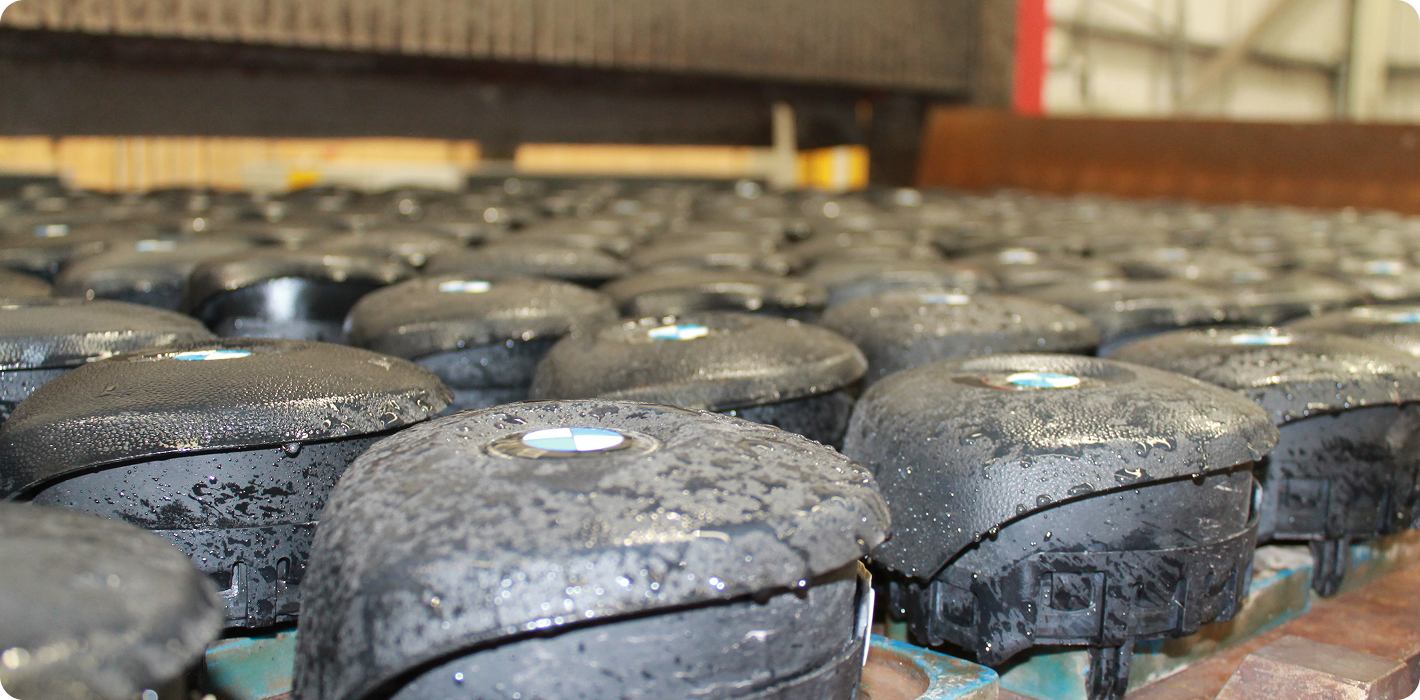
Recycling mobility scooter batteries safely
.png)
.png)
A mobility scooter battery isn't a portable battery. Sealed lead acid units are heavy and contain corrosive electrolyte, while lithium packs carry fire risk if they're damaged, swollen or stored incorrectly. Neither belongs in a skip or a general waste bin.
We work with mobility retailers, dealers, service and repair providers, hire companies, care providers, community equipment services and local authorities to manage battery waste safely. That covers batteries removed during servicing, batteries from scrapped and returned scooters, and warranty or recall stock.
Whether you've got a handful from a workshop or a stockroom to clear, we'll help find the right route.
How it works
Tell us what chemistries you're dealing with and roughly what volumes, and we'll recommend suitable containers, segregation and collection frequency. Lead acid and lithium need keeping apart, and we can supply battery storage units and UN-approved containers where required.
Once collected, batteries are transported through approved channels to authorised treatment facilities. Lead, plastic and acid are recovered from sealed lead acid units, while lithium packs are discharged and processed so lithium, nickel and cobalt can be recovered.
You'll receive full documentation and complete traceability throughout the process.
.png)
Compliance, sorted
.png)
Both chemistries are classed as hazardous waste, and lithium packs are dangerous goods in transport, which brings packaging, labelling and consignment requirements with them. Our team manages the paperwork, transport and recycling process on your behalf, so batteries are handled in line with current regulations and you have a clear audit trail.
Why Choose Vantage?
.png)
.png)
We've spent more than 20 years handling waste streams that others find awkward, and mixed chemistry battery waste is a good example. The value is in identifying and segregating correctly rather than treating everything the same.
As an Approved Battery Treatment Operator (ABTO) with our own ADR fleet and permitted treatment facility, we can manage mobility scooter battery waste from collection through to final recycling.
Related Services
.png)
Industrial Battery Recycling
.png)
Lead Acid Battery Recycling
.png)
Lithium Battery Recycling
Frequently Asked Questions
Let's Talk About Your Waste Management Requirements
Tell us about your waste streams, collection needs or compliance challenges and our team will recommend the right solution for your business.
Need mobility scooter battery recycling?
Whether you've got a few batteries from servicing or a stockroom to clear, we'll help you find the right recycling solution. Get in touch and we'll take it from here.

Providing specialist waste management, recycling and disposal services for businesses across the UK. Helping organisations achieve compliance, sustainability and operational efficiency.
.svg)